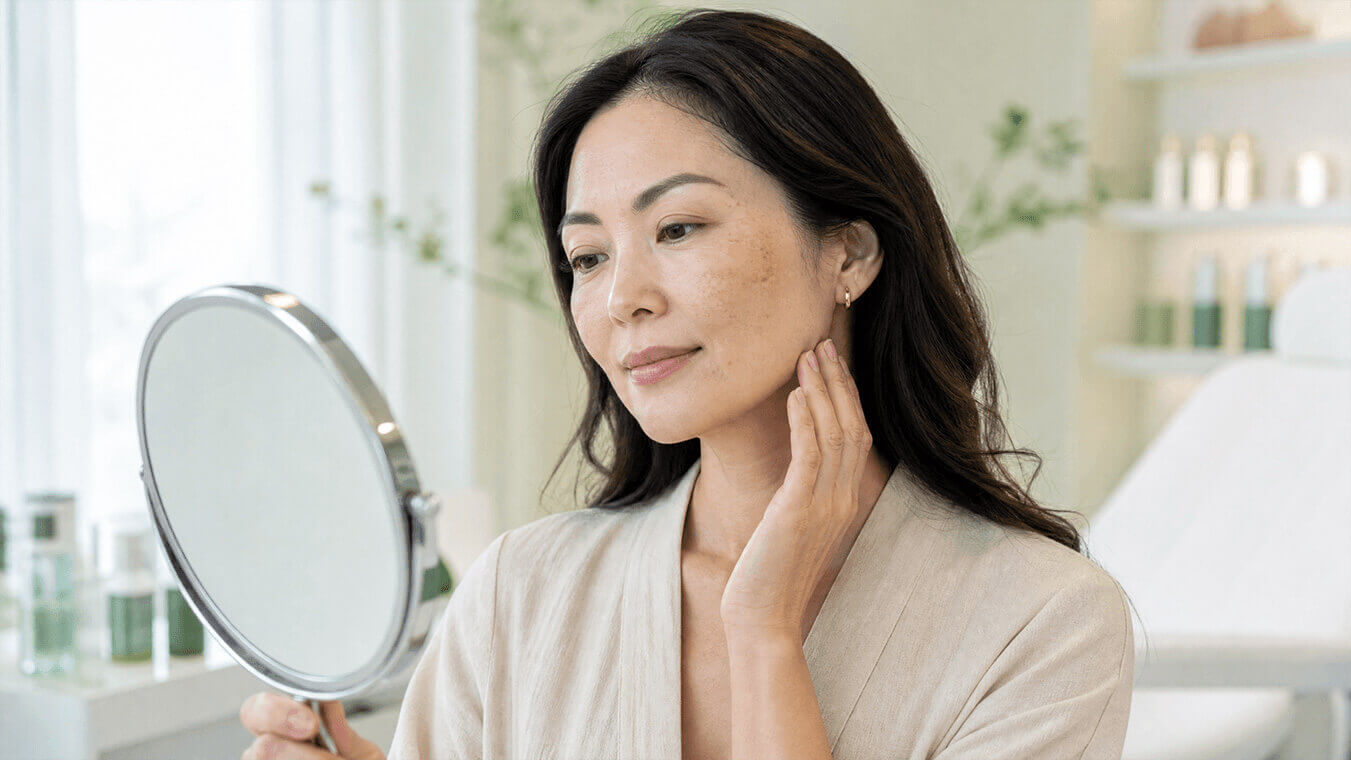
Have you ever looked in the mirror and wondered why your skin doesn’t look as bright or even as it used to?
Perhaps you’ve noticed a few stubborn dark spots after an acne breakout, patches of discolouration from years of sun exposure, or an overall dull complexion that seems to lack its natural glow. While many people simply call these concerns “pigmentation”, not every uneven complexion is caused by excess melanin.
In reality, pigmentation and uneven skin tone are two different skin concerns. Although they may look similar, they develop for different reasons and often require different treatment approaches.
Understanding the difference is the first step towards choosing the right skincare routine and professional facial treatment for healthier, more radiant-looking skin.
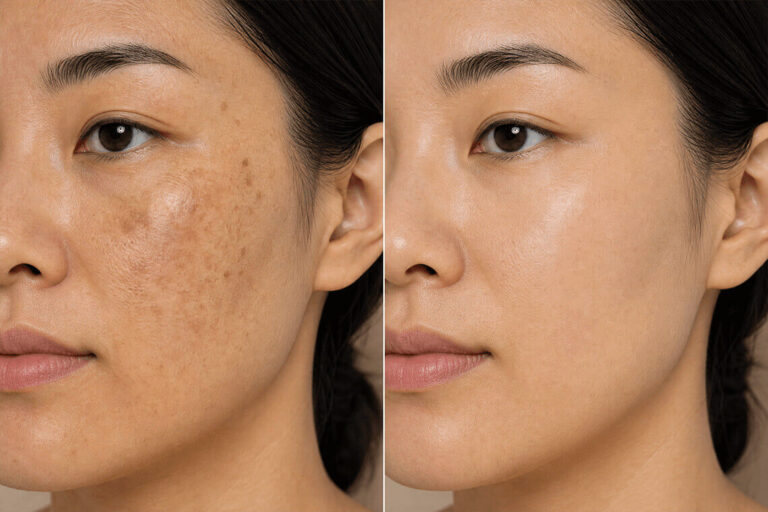
Pigmentation refers to changes in skin colour caused by an uneven production of melanin, the natural pigment responsible for the colour of our skin, hair, and eyes.
Normally, melanin is distributed evenly across the skin, giving us a balanced complexion. However, when the skin is exposed to certain triggers, specialised cells called melanocytes can begin producing excess melanin in specific areas. This results in darker spots or patches, a condition known as hyperpigmentation.
Unlike general dullness, pigmentation usually appears as clearly defined areas that are darker than your surrounding skin.
Common causes include:
Some pigmentation fades naturally over time, while deeper or long-standing pigmentation often requires professional treatment to achieve noticeable improvement.
Not all pigmentation looks the same. Identifying the type of pigmentation you have can help determine the most appropriate treatment.
Type | How It Looks | Common Causes |
|---|---|---|
Sun Spots (Solar Lentigines) | Small brown spots on areas frequently exposed to the sun | Long-term UV exposure |
Melasma | Larger brown or grey patches, usually appearing symmetrically across the cheeks, forehead or upper lip | Hormonal changes combined with sun exposure |
Post-Inflammatory Hyperpigmentation (PIH) | Dark marks left behind after the skin has healed | Acne, eczema, inflammation or skin injuries |
Although each type develops differently, they all involve excess melanin accumulating within the skin.
Unlike pigmentation, uneven skin tone is not always caused by excess melanin.
Instead, it describes an overall complexion that appears dull, patchy, or inconsistent in colour. Your skin may not have obvious dark spots, yet it still doesn’t look smooth, bright, or healthy.
In many cases, uneven skin tone develops because different areas of the skin reflect light differently. This can happen when the skin becomes dehydrated, rough, congested, or stressed by environmental factors.
As a result, the complexion may appear tired even when there isn’t significant pigmentation present.
Several everyday factors can affect how evenly your skin looks.
Healthy skin naturally sheds old skin cells as new ones are produced. When this process slows down, dead skin begins to accumulate on the surface, making the complexion appear rough, dull, and uneven.
Regular exfoliation helps encourage healthy skin renewal while allowing fresh skin cells to surface.
Skin that lacks moisture often loses its natural radiance.
Fine lines become more noticeable, rough patches develop more easily, and the complexion may appear flat or tired.
Keeping the skin well hydrated helps improve both skin texture and overall luminosity.
Healthy circulation delivers oxygen and nutrients to the skin, supporting a naturally healthy glow.
When circulation slows, the complexion may appear pale, sallow, or lacking vitality.
Long before obvious pigmentation develops, repeated UV exposure can gradually make the complexion appear darker, duller, and less even.
Daily sunscreen helps protect the skin from this ongoing damage.
Pollution and free radicals place constant stress on the skin.
Over time, this can affect skin clarity, accelerate premature ageing, and contribute to an uneven-looking complexion.
Although these concerns may appear similar, they affect the skin in different ways.
Pigmentation | Uneven Skin Tone |
|---|---|
Appears as dark spots or patches | Appears as an overall dull or patchy complexion |
Caused mainly by excess melanin | Caused by multiple factors affecting skin health |
Usually affects specific areas | Often affects the whole face |
Common after acne or sun exposure | Common with dehydration, rough texture, or environmental stress |
Often requires targeted pigmentation treatments | Usually benefits from improving overall skin quality |
It is also possible to experience both concerns at the same time.
For example, someone recovering from acne may have post-inflammatory pigmentation while also experiencing dehydration and rough skin texture. Treating only the dark spots may improve the pigmentation, but the skin can still appear dull if the underlying causes of uneven skin tone are not addressed.
This is why professional skin analysis is so valuable. Understanding what is happening beneath the surface allows your therapist to recommend treatments that target the root causes of your concerns, rather than simply treating what is visible.
While a consistent skincare routine plays an important role in maintaining healthy skin, some concerns, especially stubborn pigmentation or long-standing uneven skin tone, may require professional treatments to achieve noticeable improvements.
The most suitable treatment depends on what is causing your skin concern, rather than simply how it looks on the surface.
Pigmentation develops when excess melanin is produced in certain areas of the skin. While brightening skincare products may help improve mild pigmentation over time, deeper pigmentation often requires more targeted treatment.
Professional pigmentation treatments work by helping to reduce excess melanin while encouraging healthy skin renewal. Depending on your skin condition, they may also improve overall skin clarity and reduce the appearance of post-acne marks or sun-induced pigmentation.
At Adonis Skincare, our Face Whitening Treatment is designed to target pigmentation while supporting a brighter, more even-looking complexion. Every treatment is tailored to your skin condition, allowing us to address your concerns without compromising your skin barrier.
Alongside professional treatment, there are also steps you can take at home to reduce dark spots and achieve a more even skin tone, including sun protection, brightening ingredients, gentle exfoliation and consistent skincare.
When your skin looks dull rather than noticeably pigmented, the goal is to improve overall skin health.
Professional brightening facials help by:
Instead of focusing solely on lightening the skin, these treatments help create healthier skin that reflects light more evenly, giving your complexion a brighter and smoother appearance.
If you’re unsure which approach better suits your concerns, learn more about brightening vs whitening facials and how each treatment targets the skin differently.
Many people don’t fit neatly into one category.
You may have acne marks from previous breakouts while also experiencing dehydration, rough texture, or mild sun damage. In these cases, treating only the pigmentation may not fully restore a healthy-looking complexion.
A personalised treatment plan allows multiple skin concerns to be addressed together, helping you achieve more balanced and longer-lasting results.
Rather than focusing only on visible symptoms, professional treatments aim to improve your skin’s overall condition, making it healthier, stronger, and more resilient over time.
Even after professional treatment, maintaining your results depends on how you care for your skin every day.
Small, consistent habits can make a significant difference in preventing pigmentation from returning while helping your complexion remain bright and even.
Daily sunscreen is one of the most effective ways to prevent pigmentation and premature skin ageing.
Ultraviolet (UV) rays stimulate melanin production, making existing pigmentation darker while increasing the likelihood of developing new spots.
Choose a broad-spectrum sunscreen and apply it every morning, even when the weather is cloudy or you’re spending most of your day indoors.
Ingredients such as Vitamin C help protect the skin from environmental stress while supporting a brighter complexion.
Regular use may also help minimise the appearance of pigmentation and improve overall skin radiance when combined with daily sun protection.
Dead skin cells can build up over time, making the complexion appear rough and dull.
Gentle exfoliation once or twice a week encourages healthy skin renewal and allows skincare products to absorb more effectively.
However, avoid excessive exfoliation, as over-exfoliating may weaken the skin barrier and trigger irritation.
Healthy skin needs adequate moisture to function properly.
When the skin barrier is well hydrated, the complexion appears smoother, healthier, and more luminous.
Using a moisturiser suited to your skin type helps strengthen the skin barrier while reducing dryness and rough texture.
Healthy skin doesn’t happen overnight.
A simple routine followed consistently often produces better long-term results than frequently changing products.
Combining good skincare habits with professional facial treatments can help maintain a brighter, healthier complexion throughout the year.
For more everyday skincare tips, explore our guide to achieving brighter, glowing skin in Singapore, with advice on sun protection, hydration, exfoliation and antioxidant-rich skincare.
Pigmentation refers to localised dark spots or patches caused by excess melanin production. Uneven skin tone describes an overall complexion that appears dull, patchy, or inconsistent in colour due to factors such as dehydration, rough texture, poor circulation, or environmental stress.
Yes. Many people experience both concerns at the same time. For example, you may have post-acne pigmentation together with dullness or dehydration, which is why treating only one concern may not fully improve your overall complexion.
Pigmentation is commonly triggered by prolonged sun exposure, acne, hormonal changes, inflammation, or skin injuries. These factors stimulate excess melanin production, resulting in darker areas of skin.
Some mild pigmentation may gradually improve as the skin renews itself. However, deeper pigmentation such as melasma or long-standing sun spots often requires professional treatment and consistent skincare to achieve visible results.
No. Uneven skin tone can also result from dehydration, accumulated dead skin cells, poor circulation, environmental stress, or early sun damage, even when there are no obvious dark spots.
Sun exposure is one of the biggest contributors to pigmentation and premature skin ageing. Daily sunscreen helps protect your skin from UV damage while preventing existing pigmentation from becoming darker.
The best treatment depends on your skin concerns. Some people benefit from treatments that target pigmentation, while others may need treatments that focus on hydration, exfoliation, and improving overall skin health. A professional skin consultation helps determine the most appropriate treatment plan.
If dark spots, dullness, or uneven skin tone continue to affect your complexion despite maintaining a consistent skincare routine, it may be time for a professional skin assessment. Identifying the underlying cause early often leads to better treatment outcomes.
The best treatment depends on your skin concerns. A professional skin consultation can determine whether your concerns are caused by pigmentation, uneven skin tone, or both, and recommend the most suitable facial treatment.
A brighter complexion isn’t simply about fading dark spots—it’s about improving your skin’s overall health.
By understanding the difference between pigmentation and uneven skin tone, you can choose treatments that address the underlying causes rather than simply masking the symptoms. Whether your concern is stubborn pigmentation, dullness, or a combination of both, the right treatment plan can help restore a clearer, more balanced complexion.
At Adonis Skincare, every facial begins with a personalised skin consultation. Our experienced therapists take the time to understand your skin concerns before recommending the most suitable treatment for your individual needs. Whether you’re looking to improve pigmentation, brighten your complexion, or maintain healthy, radiant skin, we’re here to help you achieve long-term results.
Book your consultation today and let us help you discover the most suitable treatment for brighter and more even-looking skin.
There may be times when you’ve caught yourself staring into the mirror, trying to figure out what those tiny bumps on your face are. Acne, also known as…
Want brighter, glowing skin? One product you should never skimp on is sunscreen! Here are four effective ways to achieve brighter, glowing skin by using skincare products in…